 Wellness
Wellness

 Wellness
Both feel good, but infrared saunas work differently at a cellular level. Here's what makes infrared heat therapeutically distinct from the steam and heat of a traditional sauna.
Saunas have been used for thousands of years across dozens of cultures for relaxation, recovery, and ceremonial purposes. Modern research has validated many of the health claims surrounding regular sauna use — but not all saunas are created equal. If you've heard about infrared saunas and aren't sure how they differ from the traditional kind, here's a clear breakdown.
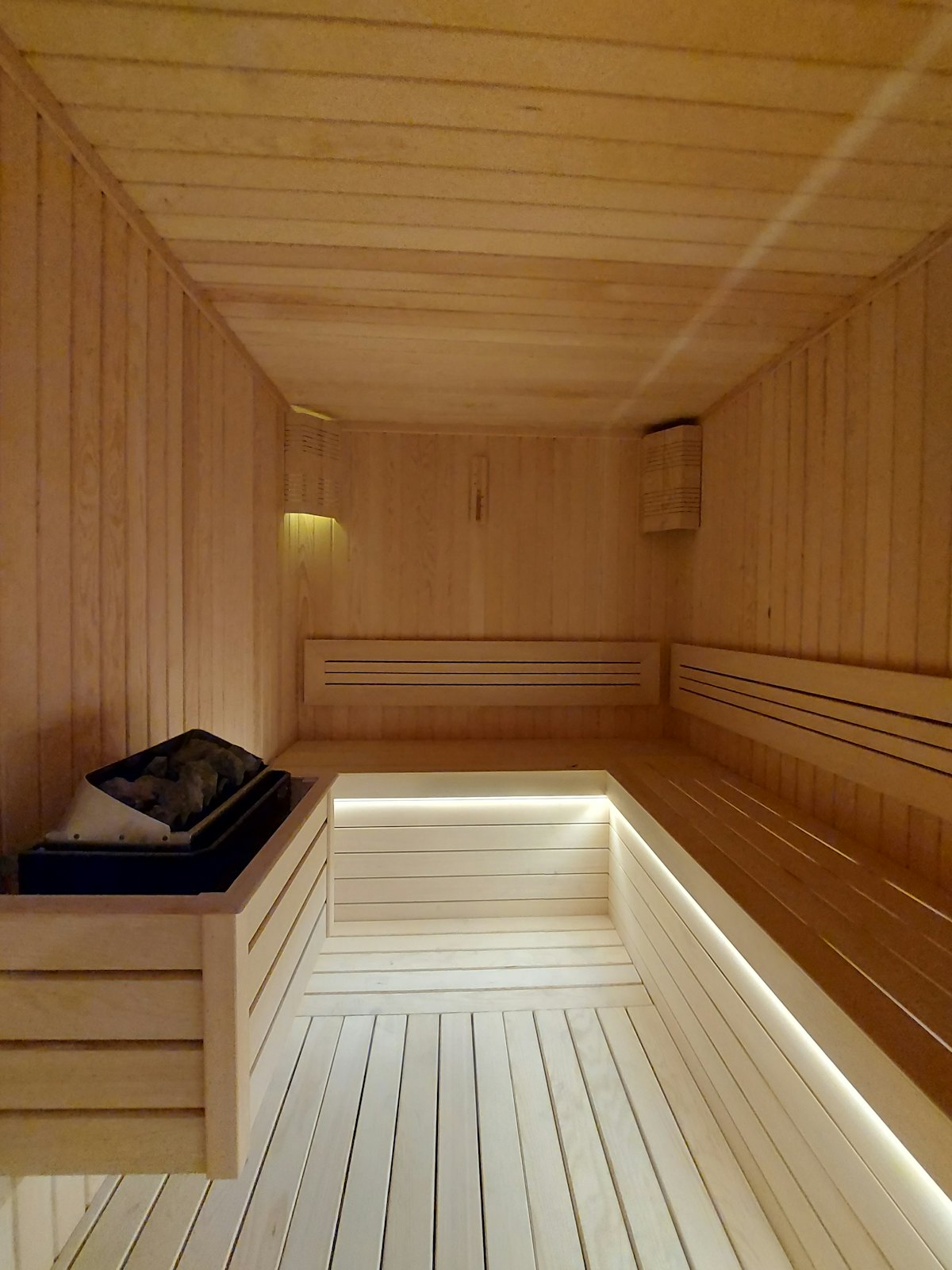
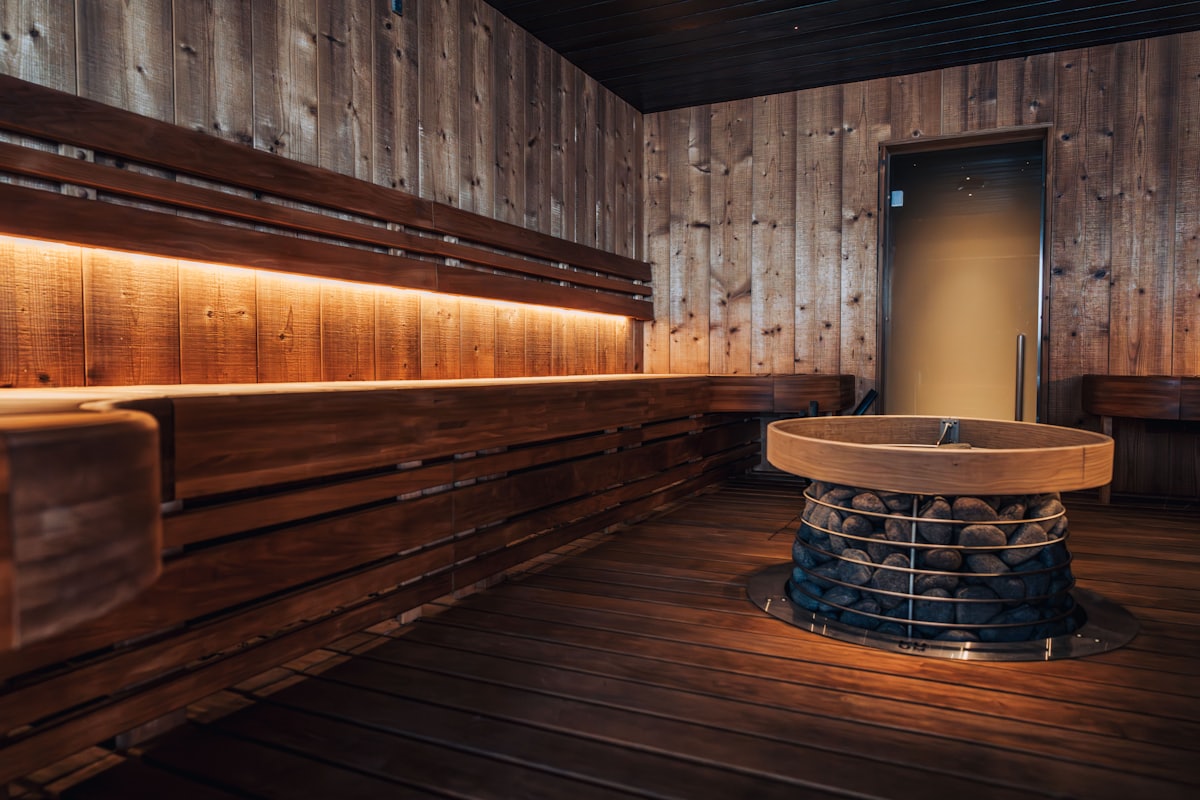
Traditional saunas (Finnish-style or steam rooms) work by heating the air around you. The ambient temperature reaches 150–185°F (65–85°C), and your body absorbs heat from the hot air through convection. The high temperature causes sweating, raises heart rate, and produces systemic physiological effects.
Traditional saunas work well, but the intense air temperature can be uncomfortable or contraindicated for people with certain respiratory or cardiovascular sensitivities.
Infrared saunas use light in the infrared spectrum to directly warm the body — not the air around it. The ambient temperature is much lower (120–140°F / 49–60°C), but the infrared energy penetrates 1–2 inches into skin, muscle, and tissue directly. This means your core temperature rises even though the air around you is far less intense.
The result is a more tolerable environment with potentially deeper physiological effects. Many people who find traditional saunas too oppressive find infrared sessions quite comfortable.
Both have significant research support, and both are better than nothing. For therapeutic use — especially for joint pain, inflammation, cardiovascular support, and recovery — infrared saunas have practical advantages: lower ambient temperature makes longer sessions accessible, and the direct tissue penetration may enhance therapeutic benefit per session.
Burns Family Wellness Care offers infrared sauna sessions at $25 each. We recommend regular use — multiple sessions per week if possible — to experience cumulative benefits. Reach out or call to schedule.
Burns Family Wellness Care offers $25 infrared sauna sessions, Monday through Friday. Call us to schedule.
Contact Us