 Regenerative Medicine
Regenerative Medicine

 Pain & Recovery
Chronic pain is often treated with long-term medication that manages symptoms without addressing the source. Here are the regenerative and manual therapy options that can actually change the underlying tissue.
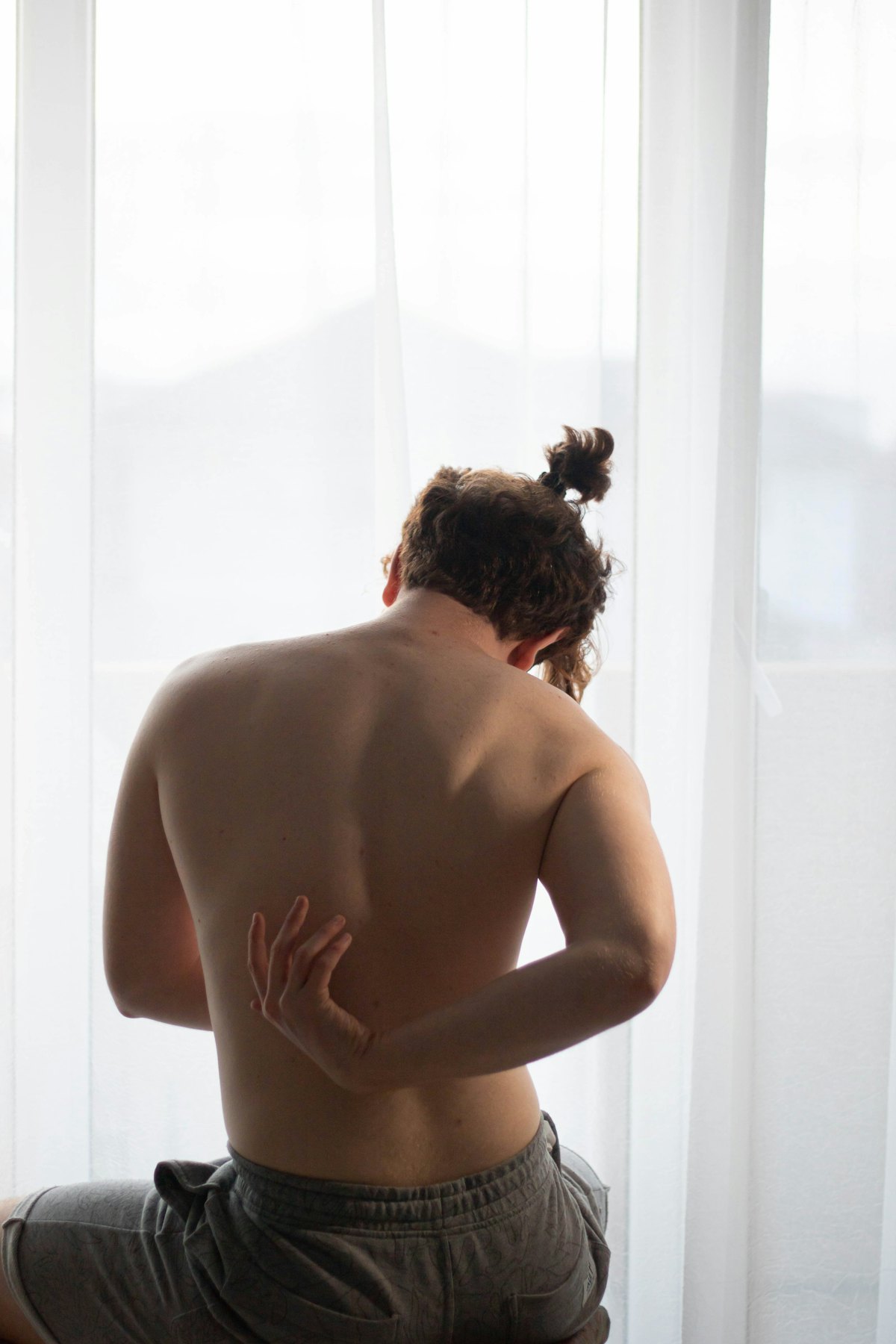
Chronic pain is one of the most common and most undertreated conditions in the United States — affecting an estimated 50 million adults. Many of them are prescribed a long-term course of NSAIDs, opioids, or muscle relaxers that manage the sensation of pain without doing anything about the damaged tissue causing it.
The body has a remarkable capacity to heal. The challenge is that some tissues — ligaments, tendons, cartilage, and fascia — have poor blood supply and heal slowly even under ideal conditions. After a certain point, chronic inflammation can actually prevent healing rather than support it. This is where regenerative approaches make the biggest difference.
Prolotherapy uses a dextrose solution injected into damaged tissue to restart the inflammatory healing cascade. For chronic pain that has been suppressed (by cortisone, NSAIDs, or time), prolotherapy provides a controlled stimulus that signals the body to resume repair. It's particularly effective for ligament laxity, tendinopathy, and joint instability.
A typical course involves 3–6 injections spaced 4–6 weeks apart. Full tissue remodeling takes 3–6 months, but most patients notice meaningful improvement within the first few sessions. At Burns Family Wellness Care, prolotherapy is $200 per joint or soft tissue area per session.
Platelet-rich plasma therapy concentrates the growth factors from your own blood and delivers them directly to the site of injury. This is a step beyond prolotherapy in terms of biological potency — the growth factors in PRP actively recruit stem cells, stimulate collagen production, and modulate the local inflammatory environment.
PRP works particularly well for knee osteoarthritis, rotator cuff injuries, and chronic tendon damage. At Burns Family Wellness Care, PRP sessions include osteopathic bodywork during the processing time — which prepares the tissue and improves outcomes.
Chronic pain often involves a structural component — fascial restrictions, joint malalignment, or compensatory patterns that have developed over years of guarding the painful area. Osteopathic Manual Therapy addresses these structural factors directly.
Dr. Burns's OMT work focuses on fascia (the connective tissue web), energy rhythms, and the ligament-tendon system. Releasing restrictions in these areas can reduce pain immediately and improve the effectiveness of any regenerative treatment by restoring normal tissue mechanics.
For most chronic pain conditions, the most effective approach combines modalities. OMT to address structural causes + prolotherapy or PRP to rebuild damaged tissue + lifestyle modifications to reduce systemic inflammation and support healing. This is an integrated plan, not a single magic bullet.
The goal isn't to make the pain quieter. The goal is to give the body what it needs to actually heal.
Burns Family Wellness Care offers prolotherapy, PRP, and OMT as regenerative alternatives to long-term pain management.
Contact UsRelated Articles
Regenerative Medicine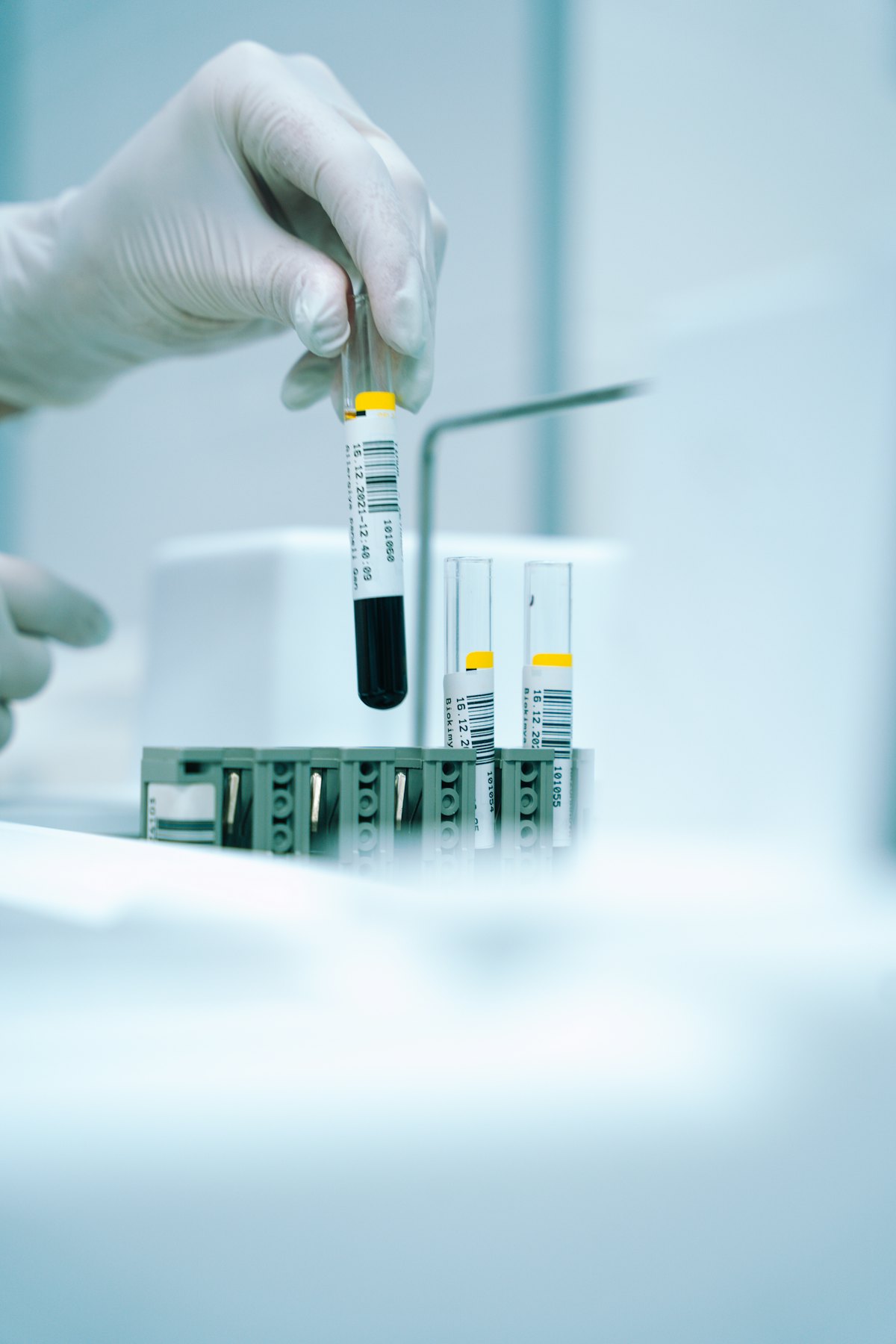 Regenerative Medicine
 Osteopathic Medicine