Burns Family Wellness Care
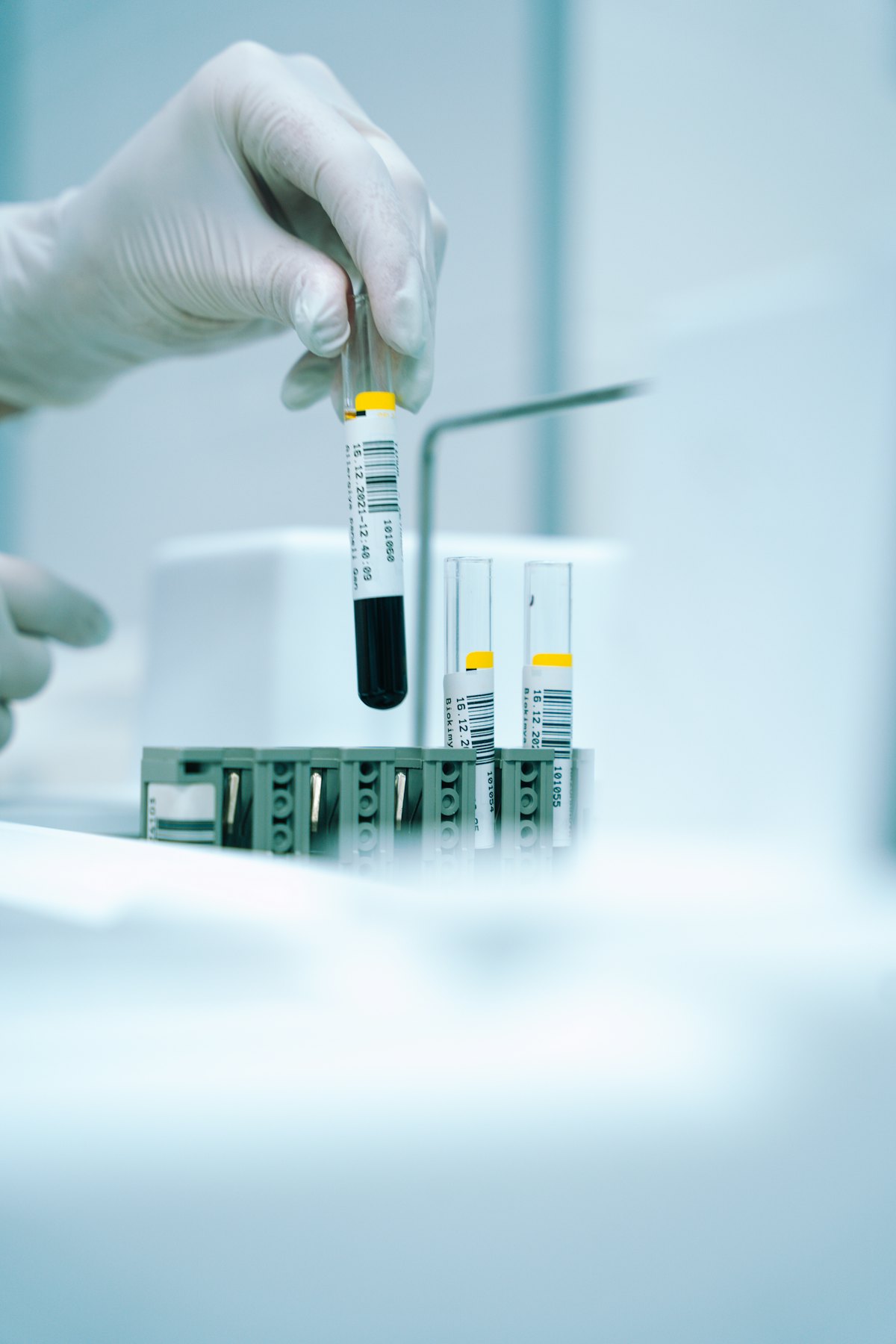
A gloved technician placing a vial of blood into a rack for centrifuge processingRegenerative Medicine
Regenerative Medicine

PRP Therapy: What to Expect Before, During, and After

PRP therapy can feel mysterious. This guide walks through the entire process — from the blood draw to recovery — so you know exactly what you're getting into.

Platelet-rich plasma (PRP) therapy gets a lot of attention from professional athletes and orthopedic surgeons — but many people aren't sure what it actually involves or whether it's right for them. Here's a straightforward, step-by-step breakdown of what happens during a PRP session at Burns Family Wellness Care.

Before your appointment

In the days before your PRP session, there are a few things to keep in mind:

  • Avoid anti-inflammatory medications (NSAIDs like ibuprofen or naproxen) for at least 1 week before treatment, as they can interfere with the inflammatory cascade PRP relies on.
  • Stay well-hydrated — good hydration makes the blood draw easier and the platelet concentration more effective.
  • Eat a normal meal before your appointment. No fasting required.
  • Tell Dr. Burns about any medications, supplements, or conditions that might affect platelet function.

During the session: our 90-minute protocol

At Burns Family Wellness Care, a PRP session is much more than an injection. Our 90-minute protocol involves:

  1. Blood draw — A small amount of blood (similar to a routine lab draw) is taken from your arm.
  2. Centrifuge processing — The blood is placed in the Angel System, a precision centrifuge that separates and concentrates the platelets into a customized PRP preparation.
  3. Osteopathic bodywork — While your PRP is being processed, Dr. Burns performs osteopathic manual therapy to prepare the tissue and optimize conditions for healing. This is what makes our protocol different.
  4. Injection — The PRP is precisely injected into the target area — up to two large joints plus four small joints in a single session.
  5. Recovery guidance — Before you leave, you receive a personalized recovery plan to support healing in the weeks ahead.

After treatment: what to expect

The first 24–72 hours after PRP often bring increased soreness in the treated area — this is expected, because PRP works by triggering the body's healing response (which includes inflammation). This is normal and usually manageable with ice, rest, and activity modification.

  • Avoid NSAIDs for 2–4 weeks post-injection (they interfere with the healing process).
  • Light activity is typically okay within a few days. Strenuous activity may need to wait 1–2 weeks.
  • Improvement is gradual — most patients see meaningful improvement over 6–12 weeks, with results continuing to develop for up to 6 months.

Who responds best to PRP?

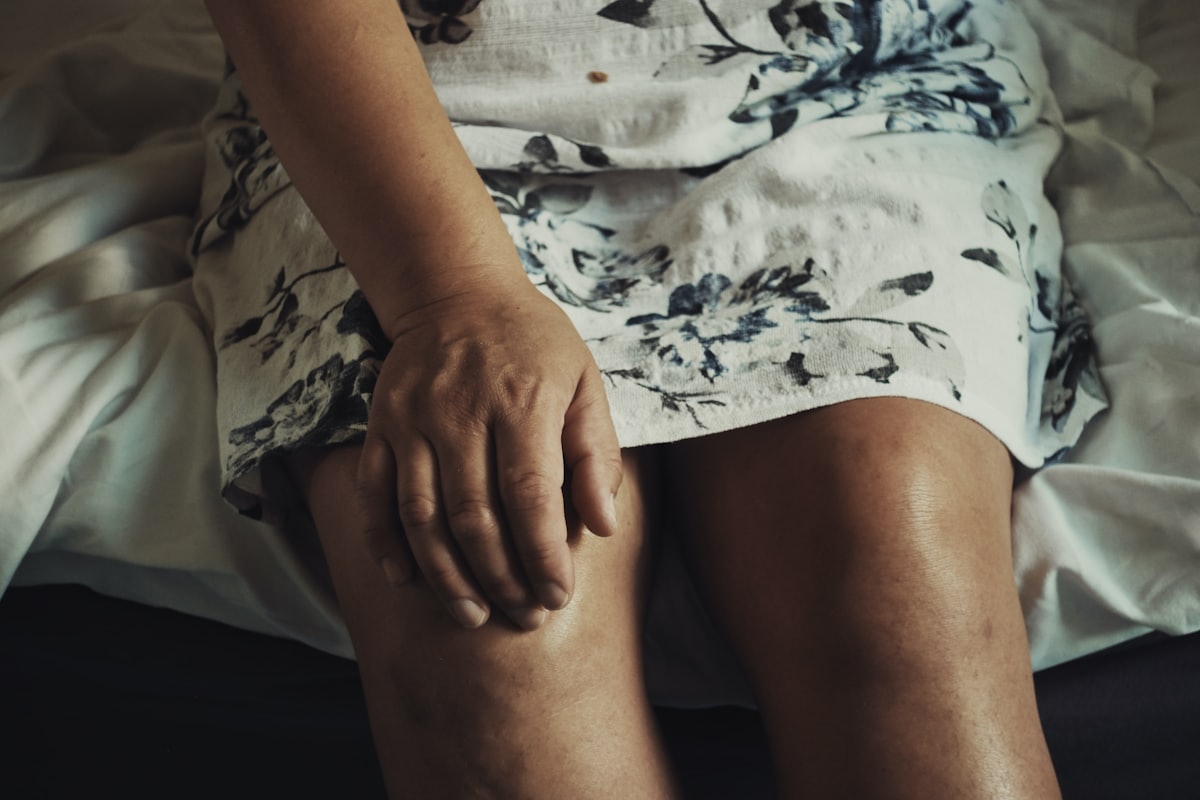
PRP produces the best outcomes for newer injuries in active individuals. That said, even patients with more advanced conditions (like moderate knee osteoarthritis) often experience meaningful improvement in pain and function. PRP may not eliminate advanced arthritis, but it can slow progression and restore quality of life.

The platelet-rich plasma in your blood already contains everything your body needs to heal — PRP simply concentrates those signals and delivers them exactly where they're needed.

Want to understand if PRP makes sense for your injury?

Burns Family Wellness Care offers a comprehensive 90-minute PRP protocol — combining treatment with same-day osteopathic bodywork for better outcomes.

Contact Us