 Regenerative Medicine
Regenerative Medicine

 Pain & Recovery
Knee replacement is often presented as the inevitable endpoint for osteoarthritis. But prolotherapy, PRP, and OMT offer evidence-based non-surgical options that can delay or avoid surgery entirely.
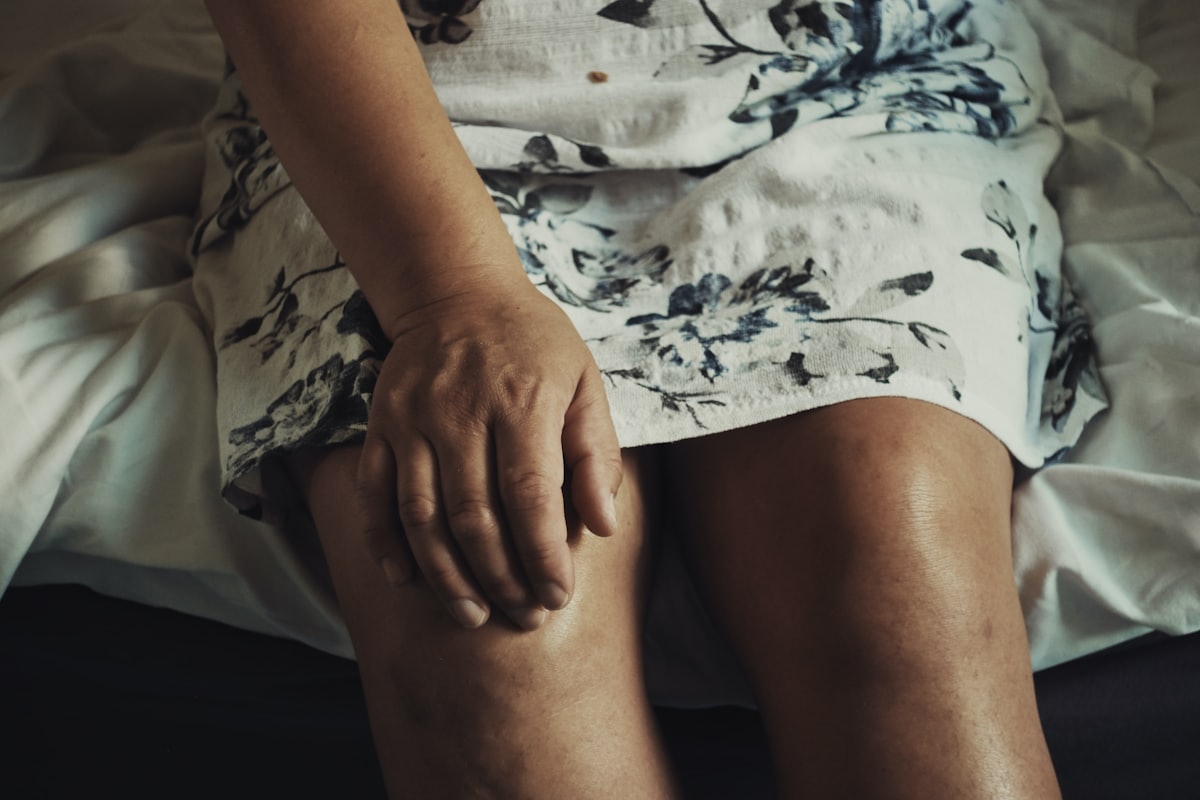
Knee osteoarthritis affects an estimated 14 million Americans — and for many of them, the medical conversation quickly moves toward total knee replacement. TKR is a highly effective procedure when it's truly necessary. But surgery carries real risks, requires significant recovery time, and isn't always the best next step.
Before committing to surgery, it's worth understanding the evidence behind conservative options — because for moderate osteoarthritis, several non-surgical treatments have meaningful research support and real-world results.
Knee replacement outcomes are better in younger, more active patients — but the implants have a limited lifespan (15–20 years on average). A 55-year-old who has a TKR may face revision surgery before they're 75. Delaying surgery by even a few years — or avoiding it entirely — is clinically meaningful.
More importantly, many patients with mild to moderate osteoarthritis achieve sufficient pain relief and functional improvement from conservative treatment to comfortably defer surgery indefinitely.
Multiple randomized controlled trials have evaluated prolotherapy for knee osteoarthritis. A notable study published in the Annals of Family Medicine found that dextrose prolotherapy provided sustained reduction in pain and improvement in function compared to saline injections and exercise. The benefits continued to accrue over 52 weeks.
Prolotherapy addresses the ligamentous laxity that often accompanies knee OA — when the ligaments surrounding the knee become stretched and weakened, joint instability worsens cartilage wear. Rebuilding that ligamentous support can slow cartilage degradation and reduce pain significantly.
PRP has been more extensively studied for knee osteoarthritis than perhaps any other musculoskeletal condition. Multiple meta-analyses have found PRP superior to hyaluronic acid (viscosupplementation) and cortisone injections for pain and function at 6 and 12 months. The growth factors in PRP appear to have both pain-reducing and disease-modifying effects — potentially slowing the progression of cartilage loss.
At Burns Family Wellness Care, knee PRP sessions start at $1,200 for one knee or $1,400 for both knees in a single session. The 90-minute protocol includes osteopathic bodywork to optimize tissue conditions before injection.
The knee doesn't exist in isolation. Malalignment of the hip, ankle, or pelvis can dramatically affect knee mechanics and accelerate cartilage wear. OMT addresses these structural contributors — improving joint mechanics, releasing fascial restrictions, and restoring proper movement patterns that reduce load on the knee joint.
Surgery fixes the structure but not the biomechanics that damaged it. Conservative treatment addresses both.
Burns Family Wellness Care offers prolotherapy ($200/session), PRP ($1,200–$1,400), and OMT as evidence-based conservative options before surgery.
Contact Us