 Osteopathic Medicine
Osteopathic Medicine

 Family Medicine
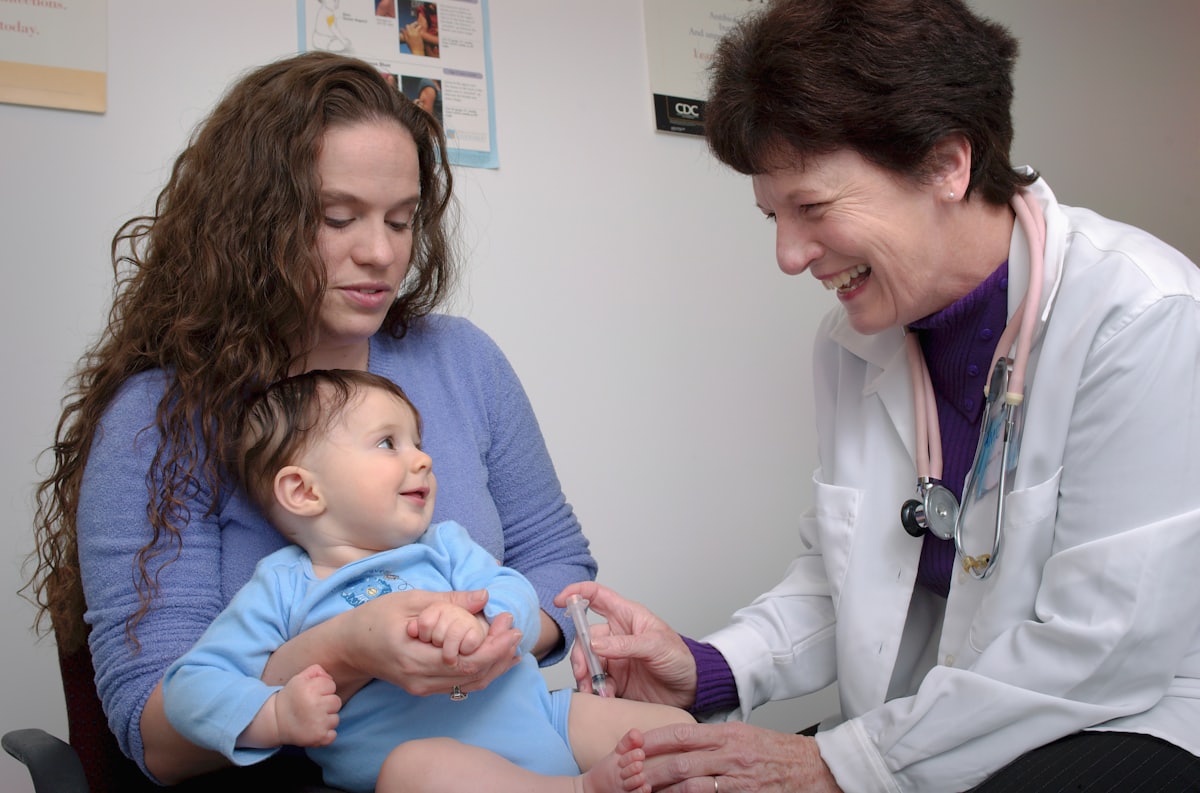
OMT isn't just for adults with back pain. Pediatric osteopathic care addresses a wide range of childhood concerns — from birth trauma to ear infections to growing pains — gently and without medication.
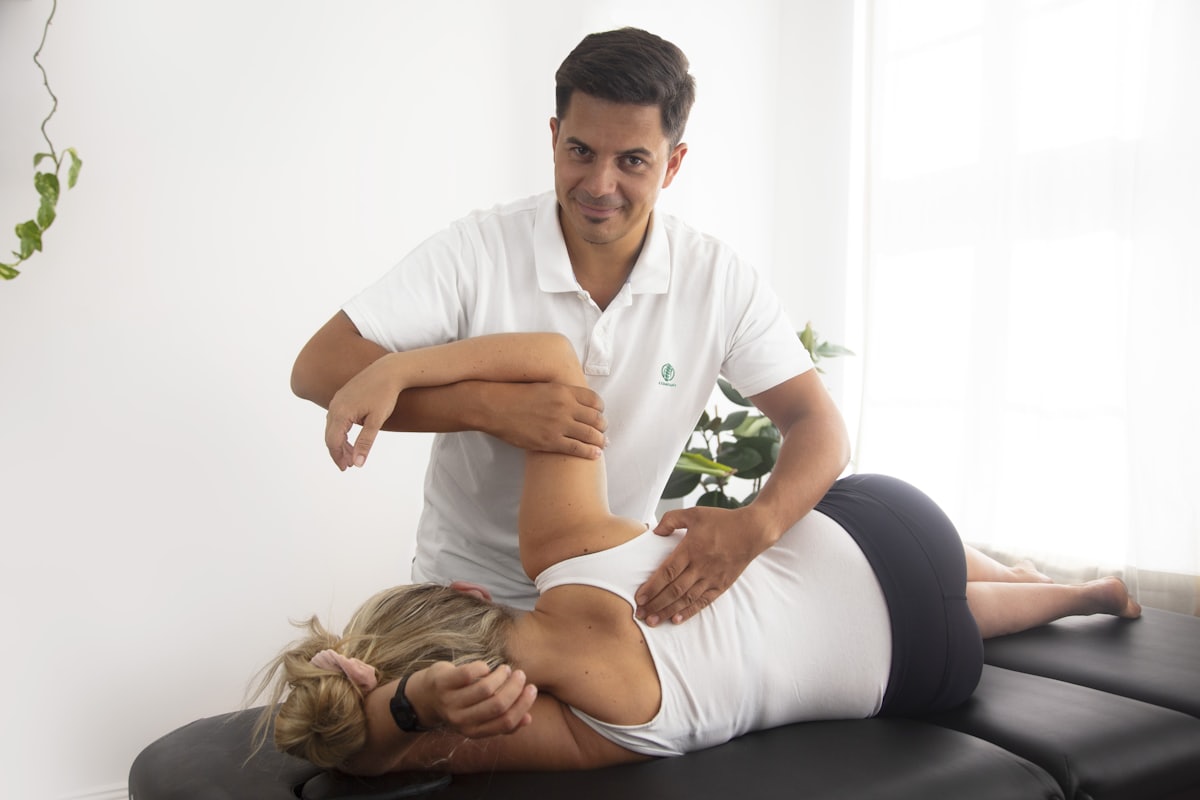
Most people associate osteopathic manual therapy with adult back pain or sports injuries. But OMT has been used in pediatric medicine since the early days of osteopathy — and the evidence for its effectiveness in children is more robust than many parents realize.
Children's tissues are more fluid and responsive than adult tissues. The craniosacral system — which governs the rhythmic movement of cerebrospinal fluid through the brain and spinal cord — is particularly accessible and responsive in infants and young children. This makes pediatric OMT both safe and effective when applied by a trained osteopathic physician.
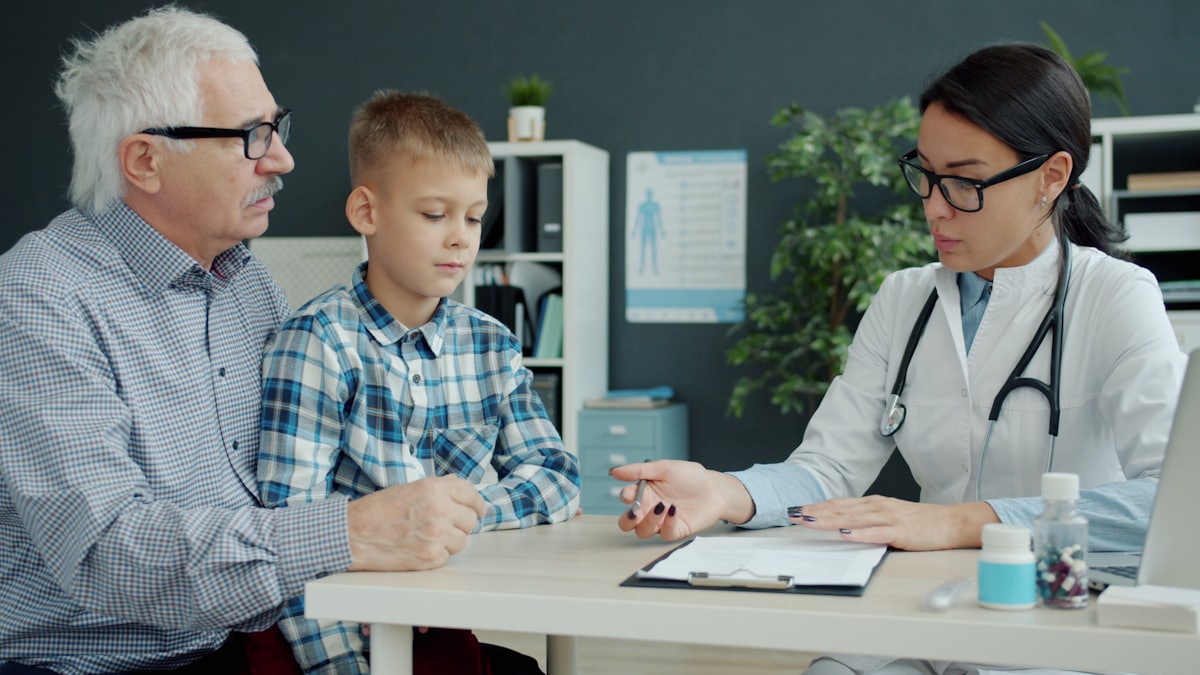
Dr. Burns sees patients across multiple generations — from infants to grandparents — and integrates osteopathic assessment and treatment into routine pediatric care.
Birth is the first major physical stressor most humans experience. Even uncomplicated vaginal deliveries involve significant compressive forces on the infant's skull, spine, and soft tissues. Cesarean births, forceps or vacuum deliveries, and prolonged labors can add additional mechanical stress.
Osteopathic assessment in the newborn period can identify and address restrictions that may underlie:
Beyond infancy, OMT has documented effectiveness for several common pediatric conditions:
Pediatric OMT is significantly gentler than adult treatment. Infant OMT often involves barely perceptible movements — a trained practitioner placing hands gently on the baby's head and following subtle tissue movements. Children generally find OMT comfortable and often fall asleep during treatment. There are no high-velocity thrust techniques used in pediatric osteopathy.
The same principles that govern adult osteopathic medicine apply to children — structure and function are related, the body heals itself when given the right support, and treating the whole person produces better outcomes than treating isolated symptoms.
Burns Family Wellness Care treats patients of all ages, with pediatric memberships available for children alongside their parent's membership.
Contact Us