 Philosophy
Philosophy
 Osteopathic Medicine
Osteopathic physicians complete the same medical training as MDs — and then some. Here's what sets an osteopathic approach apart and how OMT integrates into whole-person care.
When people hear "osteopathic medicine," they often think it means massage or chiropractic care. It's neither — though it does involve hands-on treatment. Understanding what osteopathic medicine actually is can help you make a more informed decision about the kind of care you want for your family.
Doctors of Osteopathic Medicine (DOs) complete the same rigorous medical school curriculum as MDs — anatomy, pharmacology, clinical rotations, board exams, and residency training. They can prescribe medications, perform surgery, and practice in any medical specialty. In the United States, they hold the same full medical license as MDs.
What's different is the additional 200+ hours of training in Osteopathic Manipulative Medicine (OMM) — a hands-on diagnostic and treatment approach built around the relationship between the body's structure and its function.
Osteopathic medicine rests on four core principles:
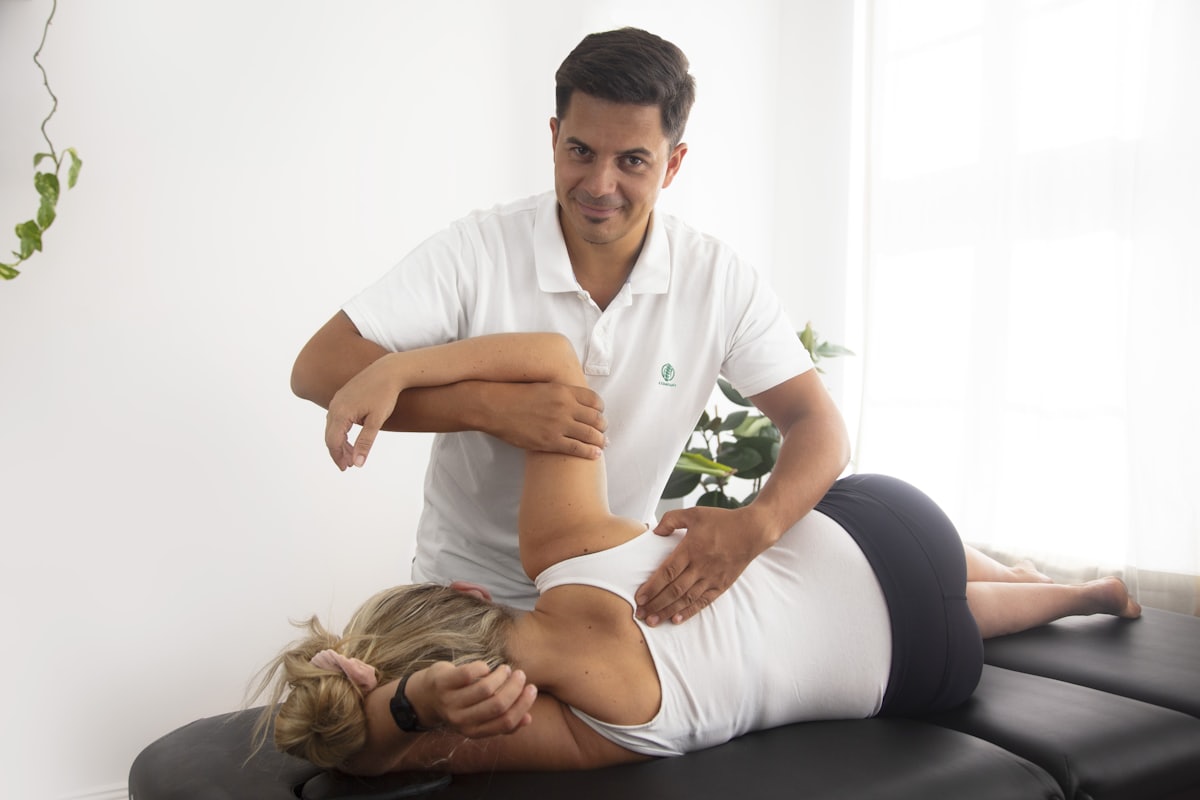
OMT is the hands-on component of osteopathic practice. Dr. Burns uses her hands to assess and treat restrictions in muscles, joints, fascia, and connective tissue. These techniques range from very gentle — barely perceptible rhythmic movements — to more active joint mobilization, depending on what the patient needs.
Dr. Burns has a particular focus on fascia (the connective tissue web that envelops every muscle, organ, and structure in the body), energy rhythms (craniosacral work), and ligament/tendon health. Restrictions in any of these areas can have far-reaching effects on pain, movement, and overall health.
For Dr. Burns, OMT isn't separate from medicine — it's integrated into it. A patient coming in for chronic low back pain might receive a physical assessment, lab work, lifestyle recommendations, AND OMT in the same visit. The hands-on work doesn't replace conventional diagnosis and treatment; it complements it.
Studies show OMT reduces pain, improves mobility, enhances recovery, and reduces medication use across a wide range of conditions. It's not alternative medicine — it's evidence-informed medicine with an additional tool in the toolkit.
Osteopathic medicine asks not just "what is wrong?" but "why is it wrong, and what does the body need to fix it?"
Dr. Erin Burns, DO brings an osteopathic perspective to every visit at Burns Family Wellness Care — looking at structure, function, and the full picture of your health.
Contact Us